- September 16, 2026
- 5 min read
5 money-saving tips for your MBA


Follow these money saving tips during your MBA ©Washington Foster/FB
According to our Cost of MBA Report 2026, the overall average cost of studying in one of the world’s top 20 MBA programs is now $180k. When you factor in additional expenses such as living costs, healthcare, and travel, the average total cost of a top-ranked MBA can be as high as $281k.
Although many students and grads agree that an MBA is worth the cost, learning how to save money during the degree can ensure you maximize your return on investment (ROI).
With that in mind, we’ve spoken with MBA students and business school experts to pull some invaluable MBA money-saving tips.
Wondering how to manage your MBA finances?
Download our Cost of MBA Report 2026

Money-saving tips for your MBA
1. Give yourself enough time to prepare financially
Given the cost of an MBA, you need to plan ahead and consider how the financial decisions you make now could impact you later on. This is especially true if you’re relying on student loans to cover the cost of your degree.
“If you are financing your MBA, you will want to maintain a strong credit score and do your best to reduce any outstanding balance on credit cards,” says Eddie Asbie, executive director of admissions and scholarship at Cornell University SC Johnson College of Business.
Enrolling in a full-time program means you’ll likely be giving up a salaried role. This typically requires sticking to a strict budget while studying for your MBA. Get into the habit of budgeting early to prevent any unnecessary spending and put any excess money into a savings account.
“We advise students to spend as long on planning their finances as they do in applying for MBAs,” says David Simpson, recruitment and admissions director at London Business School.
2. Keep a buffer for additional expenses
During an MBA degree, you’ll likely encounter unexpected costs—so having some financial flexibility will help alleviate the strain on your budget.
These extra costs could include foreign study trips, tickets for networking events or conferences, recruitment fairs, joining an MBA club, or simply socializing with your cohort.
“It’s important to remember that the MBA program extends beyond the classroom, and outside experiences are a huge part of it,” says Priyal Keni, MBA graduate from London Business School.
While your personal budget may not stretch enough to take part in every extracurricular activity, setting a monthly buffer aside for these expenses will ensure you don’t miss out.
“I started viewing these expenditures not as recurring costs, but as investments in building relationships and expanding my network. The shift in perspective allowed me to prioritize which expenses were essential,” adds Priyal.
3. Apply for MBA scholarships
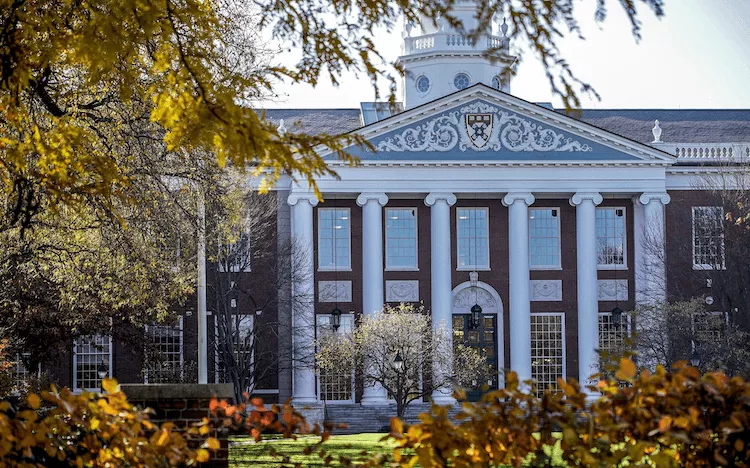
MBA scholarships can lessen the financial impact of studying. They’re also widely available, perhaps more common than you might think—around 50% of the Harvard MBA class receive some form of financial aid.
As an incoming student you tend to receive MBA scholarships based on either financial need or academic/professional merit. The most generous scholarships cover all of your tuition fees, though it’s more common to receive a smaller contribution.
Besides the scholarships offered by schools, there are also a wide variety of private scholarships available. These include those offered by organizations such as the Forté Fellowship, Reaching Out MBA, or the 30% Club Scholarship.
If you’re unsure where to start, the financial aid office of your target business schools will help point you in the right direction.
“Start your research early to give yourself the best chance of receiving an award,” says Anna Kerns, associate director of financial aid at the University of North Carolina Kenan-Flagler Business School.
4. Consider your living arrangements carefully
If you’re moving away from home to study, living expenses can be a big contribution to the overall cost of an MBA. However, you can lighten your living costs while still getting the full MBA experience.
For example, finding roommates to live with will significantly reduce your monthly expenses on rent and bills. It’s also a good idea to find accommodation close to campus to save on travel expenses.
Be quick though—affordable accommodation near campus will be the first to go, so as soon as you’re accepted into a program, make this your top priority.
5. Use the business school resources and facilities available
A business school campus is full of useful resources that you should make the most of while studying.
“Many resources may already be part of tuition such as libraries, fitness centers, and online resources, which can help you avoid spending money on similar services outside,” says Irina Schneider-Maunoury, associate director of financial aid & scholarships for degree programs at INSEAD.
While these may seem like small costs, everything adds up and the money you save by going to the library instead of buying new books can go towards other expenses.
While you may at times find yourself a little strapped for cash during your MBA degree, it’s important to keep in mind the long-term investment you are making in your personal and professional development.
If you make the most out of business school, it’s likely you’ll quickly be able to pay off your debts and replenish your savings.




.jpg?rev=81bf88382fa8482a846d5a29cd006a57)