- May 22, 2026
- 7 min read
Which are the best‑value MBA programs in the world?


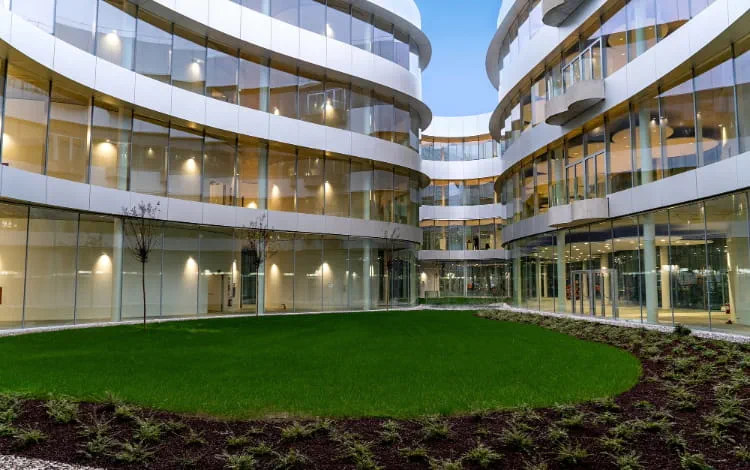
The MBA program at the University of Georgia’s Terry College of Business is the best value for money © Terry College of Business / Facebook
TL;DR
- Terry College of Business at the University of Georgia (US) is the best‑value MBA program in the world according to the 2026 Financial Times Global MBA Ranking
- The next best‑value schools are Nanyang Business School in Singapore, emlyon Business School in France, Olin Business School in the US, and ESCP Business School in France
- The Financial Times ‘value for money’ ranking is calculated by dividing alumni’s average salary three years after graduation by the total cost of the MBA, including tuition, fees, forgone salary, and other expenses, minus any scholarship support
- For prospective students, these programs show how you can balance cost, career impact, and global brand when choosing where to apply
Each year, the Financial Times Global MBA Ranking features the top 100 full‑time MBA programs worldwide. As part of this ranking, the FT calculates a ‘value for money’ score for each school.
In simple terms, the FT value for money metric compares what you pay for an MBA with what you earn after graduation. It divides the average alumni salary three years after graduation by the total cost of completing the MBA, which includes tuition, forgone salary, and additional expenses, minus any scholarship funding received.
For applicants, this is a useful lens: it does not tell you everything about the experience or network, but it does indicate which programs tend to generate strong earnings relative to their cost.
Best‑value MBA programs in the world
In 2026, the University of Georgia’s Terry College of Business tops the list of best‑value MBA programs for the third consecutive year, even though it ranks 60th overall in the FT Global MBA Ranking. This combination—moderate overall rank but outstanding value for money—is exactly what many cost‑conscious applicants look for.
Best-value MBA overall: Terry College of Business (University of Georgia)
Tuition for the two‑year MBA program at Terry is $15,558 per year for Georgia residents, $37,494 for non‑residents, and $38,526 for international students. That equates to a total tuition cost of just over $30,000 for in‑state students and about $70,000 for out‑of‑state students.
In contrast, MIT Sloan, which tops the overall FT Global MBA Ranking 2026, charges about $178,000 in tuition alone.
Not only is tuition relatively low at Terry, but graduates’ salaries three years after graduation are high. The average weighted salary of a Terry MBA three years after graduation is over $150,000, with an average salary increase of 134 percent. In practice, that means international students could earn more than twice the tuition cost of their MBA within three years of graduating.
For comparison, the average weighted salary for MIT Sloan MBA graduates three years after graduation is about $245,991. Although that is still more than the cost of tuition, Terry graduates are likely to be able to pay off their student loans more quickly, given their much lower upfront cost.
What this means for applicants:
If you are open to studying outside the very top‑ranked global brands, schools such as Terry can offer extremely strong career outcomes relative to the amount you invest.
Second best-value MBA: Nanyang Business School
The second best‑value MBA on the FT’s list is Nanyang Business School (Nanyang Technological University) in Singapore, which also ranks 12th overall. Nanyang MBA graduates earn an average weighted salary of $194,918 three years after graduation, with a 136 percent post‑graduation salary increase.
Tuition for the one‑year full‑time MBA at Nanyang is S$89,380 (approximately in the mid‑$60,000s in US dollars, depending on exchange rates). For candidates considering Asia, Nanyang combines a relatively compact program length with strong salary outcomes and a major regional business hub in Singapore.
Rounding out the top five best-value MBAs
Rounding out the top five best‑value MBAs are emlyon Business School in France (overall rank: 41), Olin Business School in the US (37), and ESCP Business School in France (22). All of these schools report an average weighted salary above $130,000 and a post‑graduation salary increase of more than 100 percent.
For applicants, key questions to ask as you look at these schools include:
- Am I comfortable trading a slightly lower overall brand ranking for much stronger value for money?
- Do I prefer a one‑year, European‑style program or a traditional two‑year US format?
- How important are local job markets (such as France, Singapore, the US South) to my post‑MBA plans?
Regional patterns in value for money
European MBA programs are generally shorter than those offered in the US, so it is not surprising that eight European programs appear in the FT’s top 15 for value for money—more than any other region. North America (three programs) and Asia (three programs) are the next most represented regions.
France has four programs in the top 15, followed by the US with three and India with two. Otherwise, there is a fairly even geographic spread of programs: no other country has more than one program in the list.
Nanyang Business School MBA graduates recorded the highest average salary in the list, while Porto Business School graduates reported the lowest. At 200 percent, graduates of the Indian Institute of Management Indore enjoyed the biggest post‑graduation salary increase, while graduates of AGSM at UNSW Business School in Australia saw the lowest increase at 69 percent.
What this means for applicants:
- Europe: Shorter programs can reduce both tuition and opportunity cost (time out of the workforce), which often boosts value‑for‑money rankings.
- India: Several Indian schools deliver extremely high percentage salary increases, particularly for candidates moving from domestic pre‑MBA roles into more senior or internationally focused positions.
- US and Asia: Higher absolute tuition is common, but so are higher post‑MBA salaries, especially in major financial and technology hubs.
MBA ROI: What might you earn?
Across these best‑value MBA programs, the average weighted salary for graduates is just under $150,000 three years after graduation. Although this is about $110,000 less than the average weighted salary for Harvard MBA graduates—the highest‑paid in the list—it still represents an average post‑graduation salary increase of 122 percent. That is more than the salary increases reported at Wharton (103 percent), Harvard (105 percent), London Business School (106 percent), and Haas (110 percent).
With this in mind, it is easy to see why the MBAs in this list are considered excellent value for money. The highest salary increase of any school in the list is at the Indian School of Business, where MBA graduates see an average salary boost of 248 percent. The seven highest post‑graduation salary increases are all recorded at Indian schools. At the other end of the spectrum, graduates of the MBA program at Frankfurt School of Finance and Management report the lowest salary boost at 51 percent.
How to use this as an applicant:
- Look at both absolute salary (what you earn in dollars) and percentage increase (how much your earnings grow from your starting point).
- Consider your current salary, target geography, and industry; a program with a lower global brand but strong local placement and salary growth can be a very smart choice.
- Use the FT numbers as one input alongside fit, curriculum, location, and career services, rather than as the only decision factor.
How has this ranking changed since last year?
Although Terry retained its spot at the top of the value‑for‑money ranking, the composition of the list has shifted since last year. Warrington College of Business at the University of Florida (US) finished second in this list last year but dropped out of the FT Global MBA Ranking—and therefore this value‑for‑money ranking—in 2026.
Smurfit Business School in Ireland was the fourth‑best‑value MBA in the world in 2025 but fell to 14th in this year’s list. In contrast, Olin Business School was ranked 53rd for value for money in 2025 but rose to 4th in 2026. Overall, US business schools fared the worst compared with last year: there were six American programs in last year’s value‑for‑money ranking, but just three this year.
For candidates applying over the next few years, this volatility is a reminder that rankings move. Instead of chasing small year‑to‑year shifts, focus on the fundamentals:
- Your chosen school’s long‑term reputation and accreditation
- Consistency of employment outcomes and salary growth it records via its employment reports
- Program length, structure, and location
- How the program fits with your career goals and personal circumstances