- April 28, 2026
- 5 min read
Why do an MBA in South Africa? Top MBAs, fees, entry requirements & ROI

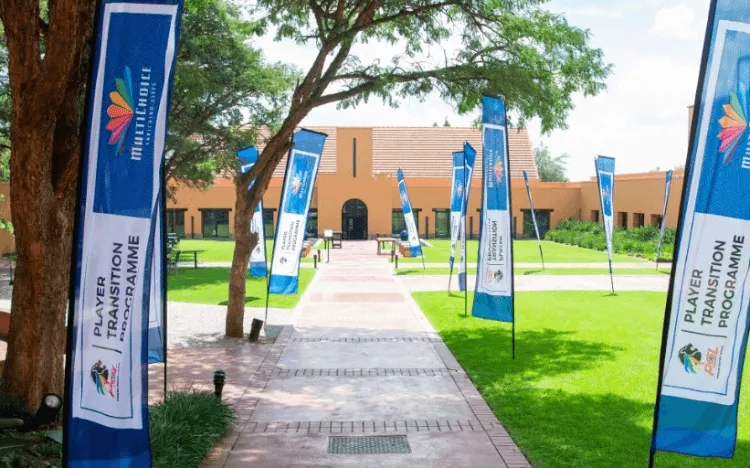
Pursuing an MBA in South Africa can boost your career prospects ©GIBS-Facebook
TL;DR
- MBAs in South Africa offer strong sustainability-focused, leadership-driven training and emerging-market exposure at far lower cost than Europe or North America
- Top schools such as Stellenbosch and UCT GSB are internationally ranked
- Graduates typically see higher salaries and seniority, helping them to enjoy the ROI on MBA study while equipped with lifelong career skills
Studying for an MBA in South Africa comes with a number of advantages—not least the fact that programs here cost a fraction of those in Europe or North America. Graduates usually enjoy recouping the ROI of their degree with a nice salary bump.
The best business schools in South Africa tend to place a strong emphasis on sustainable business practices, creating managers with strong leadership values who are primed to drive growth in emerging economies.
Here's all you need to know about the top MBAs in South Africa.
What are the best MBA programs in South Africa?
According to the Eduniversal ranking, the best MBA program in South Africa is at Stellenbosch Business School, of Stellenbosch University (SU) in Cape Town. The program is triple-accredited, a distinction held by just 1% of MBA programs worldwide, and part of a university that is ranked among the top 350 in the world by QS.
Second on the Eduniversal ranking is the University of Cape Town (UCT) Graduate School of Business. Sustainability is a key element of this program—it’s currently ranked 7th in the world by Corporate Knights’ Better World MBA ranking, one of only two South African schools to appear in the top 40.
Although these two programs are in Cape Town, you’ll find high-quality degrees across the country. For example, also rated by Eduniversal are Wits Business School in Johannesburg, the Gordon Institute of Business Science (GIBS) in Pretoria, and Nelson Mandela University Business School in Gqeberha (formerly Port Elizabeth).
Our list of the 10 best MBA programs in South Africa provides more detail on each program.
What are the admission requirements for MBA programs in South Africa?
MBA degree requirements in South Africa can vary from university to university, but they will all have roughly the same expectations.
For example, most programs will require a bachelor’s degree (NQF Level 8) or equivalent. You’ll also need at least three years of management experience under your belt, or four years of other relevant work experience.
South African business schools will also require proficiency in English and solid test scores in entrance exams. The most commonly accepted exams are the GMAT and NMAT, but some schools may have their own tests.
You may also be required to provide a written essay detailing your reasons for applying, together with employer references. The second stage of the application process is normally an interview with the school’s admissions team.
How much does an MBA in South Africa cost?
On the face of it, South African MBAs are among the most affordable in the world, with tuition fees ranging from R138,000 ($8,300) to R720,000 ($43,500). Given that an MBA in the US can cost more than $200,000, it’s easy to see why South African MBAs are generally considered good value for money.
However, it’s worth noting that many schools in South Africa charge higher tuition for international students. For instance, at the University of Cape Town Graduate School of Business, African students pay a total of R367,000 ($22,200) in MBA tuition. International students, on the other hand, pay R722,000 ($43,700). Not every school will make this distinction, but it's still something to be aware of if you’re an international student.
Of the top 10 MBAs in South Africa, the cheapest is the fifth-ranked Nelson Mandela University Business School, with a total tuition fee of R138,890 ($8,400). Again, this price applies only to African students, and fees are higher for international students—though the exact price isn’t stated on the school's website.
What scholarships are available for MBA students in South Africa?
MBA scholarships in South Africa are offered by most business schools and private institutions. Some universities also offer alumni-funded scholarships, but they're not as common.
Given that there’s no central organization responsible for scholarships in South Africa, it’s best to do your own research at the schools you’re thinking of applying to.
For example, the University of Cape Town's Bertha Centre offers scholarships covering full or partial tuition for the MBA program at UCT Graduate School of Business.
Scholarships aggregators such as We Make Scholars are useful places to explore too.
What jobs are there for MBA graduates in South Africa?
Data on post-MBA salaries and jobs in South Africa is limited, but a few surveys and reports provide clues about the MBA job market.
A 2022 survey by PMR.africa, a research group in South Africa, found that employers overall have a high opinion of MBA grads from South African business schools. The highest-rated business school by employers was Henley Business School – Africa in Johannesburg. UCT GSB placed 4th out of 17 South African MBA programs.
According to Payscale data, the average salary for an MBA graduate in South Africa is R878,000 ($53,000). In 2021, the last year that a South African business school appeared in the Financial Times Global MBA Ranking, MBA graduates at UCT GSB in Cape Town reported an 81% salary increase.
So, although it’s difficult to pinpoint the average MBA salary in South Africa, it does seem safe to say that your salary and seniority will both increase because of studying one.
Why should I study an MBA degree in South Africa?
There are many attractive qualities to pursuing an MBA in South Africa: a focus on sustainability and leadership; hands-on experience in emerging industries and sectors; and the ability to make an impact on South Africa's growing economy.