- July 29, 2026
- 5 min read
I studied an EMBA and it was life-changing. Here's why
Director of communications Alain Mansour picked the EMBA at HEC Paris for its AI specialization. Here's how it's changed his career

Nick Harland
Published in
Student Experience & ROI
Sponsored by HEC Paris

Alain Mansour had always wanted to do an Executive MBA.
In his view, it was the single best thing he could do to take his career to the next level. But that wasn’t just a feeling. It was based on the fact that all the people he knew in the C-Suite had one thing in common: an EMBA from a top business school.
Alain started looking for a program that offered the network, knowledge, and international exposure that would put him in the picture for C-suite roles. His search led him to the Executive MBA program at HEC Paris.
“In my graduating class, there were around 35+ nationalities,” he says. “You have people from everywhere, from different backgrounds, from different industries, from different cultures, all coming together in one classroom. We used to call it the United Nations.”
A diverse class means more opportunities to learn from people from different backgrounds. And the diversity at HEC Paris went beyond nationality. Alain’s classmates also came from various industries, allowing for an exchange of knowledge and ideas that is difficult to replicate outside of an EMBA classroom.
To reinforce this, faculty would often place the participants into groups comprising a broad mix of industries and nationalities. Alain worked alongside professionals from finance, engineering, luxury, banking, strategy and more. Each would bring their own unique perspective to the group.
Another key driver in Alain’s business school search was a strong brand name; one that would stand out on his CV and be recognized instantly by CEOs. A globally-renowned school, he felt HEC Paris would provide this.
But perhaps the biggest reason why Alain opted for the HEC Paris EMBA was the program’s Making Artificial Intelligence Real specialization. It’s a course that he believes sets HEC Paris apart from other schools. “I went for HEC for the good ranking, also for the credibility and reputation,” he explains, “but mostly because they also have this [AI] specialization, which maybe other programs lack.”
“We're not learning it from a technical angle,” he says. “So, we're not here to learn how to do coding. It’s not our job.”
Though the module includes some classroom-based elements, Alain stresses that the specialization largely involved on-the-ground learning with real-life companies.
During the first part of the module, he and his classmates acted as consultants for AI-focused ventures at Station F, Europe’s largest startup hub. They worked with industry professionals and professors from the incubator and top French engineering universities to ideate and implement their own AI projects through a venture capital lens.
Beyond the specialization, participants can also leverage the wider HEC tech ecosystem, which includes Hi! PARIS (an AI research center), Creative Destruction Lab, and Station F, which also hosts HEC's startup incubator.
The experience taught Alain about “the angles related to AI that you should tackle, whether that’s technology, whether that’s data, whether that’s infrastructure.”
The second part of the module includes an international study experience, and company visits where the focus shifted to how broader AI trends are applied in practice.
For Alain's cohort, this meant traveling to Toronto, where they visited a range of tech companies and institutions such as the MaRS Discovery District, Rotman School of Management, and the Schwartz Reisman Institute for Technology and Society to understand how they’re implementing AI. Again, exposure to different industries helped Alain and his classmates get an idea of the technology’s varied use cases across sectors.
“We did a lot of simulations, including one on how we can leverage AI in legal cases,” he explains. “For example, [we could use it] to find previous cases and [understand] how we can learn from them to predict what the final verdict might be.”
However, Alain’s main takeaway from the specialization wasn’t related to machines or coding. It was a realization that the crucial elements AI needs to succeed—decision making, critical thinking, and problem solving—must be handled by a human. Without that human hand to guide the technology, companies will always struggle to get the most out of AI, he concluded.
Though the frameworks and experience he gained at HEC Paris were crucial in expanding his knowledge of AI, he says his cohort made it a truly special experience. They made the classroom an inspiring place to be and confirmed that his decision to study there was the right one.
“The common ground for everyone in the class is that they are here for a reason,” he says. “They want to catapult their career, they want to grow, they want to chase the next job, the next position, so no one is here just for the sake of just doing an MBA. We all have plans for our life.
“Honestly, it's a life-changing program.”
In his view, it was the single best thing he could do to take his career to the next level. But that wasn’t just a feeling. It was based on the fact that all the people he knew in the C-Suite had one thing in common: an EMBA from a top business school.
Alain started looking for a program that offered the network, knowledge, and international exposure that would put him in the picture for C-suite roles. His search led him to the Executive MBA program at HEC Paris.
The unique appeal of the HEC Paris EMBA
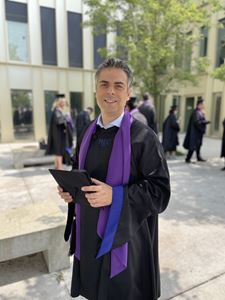
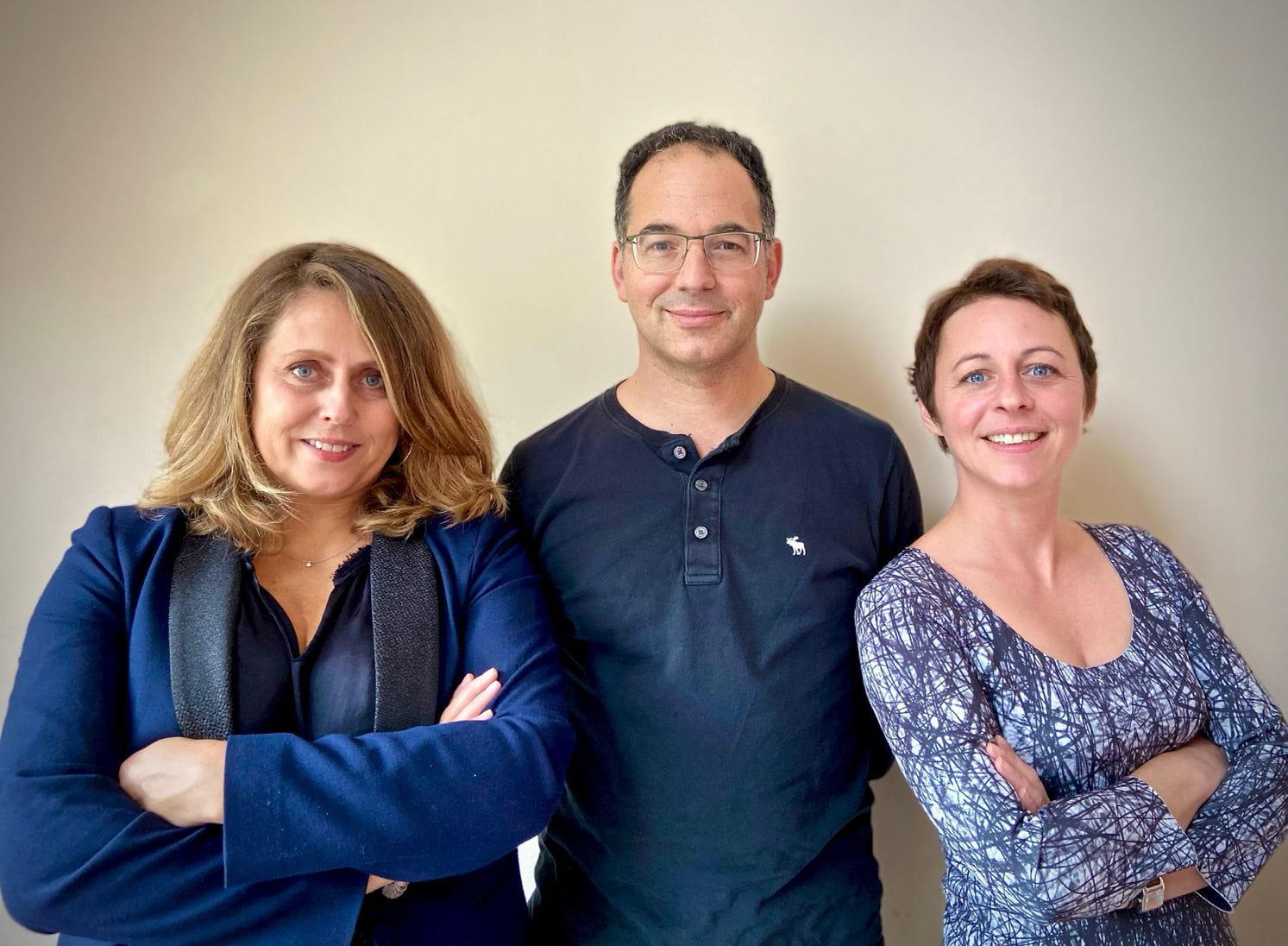
For Alain (pictured right), who works as a director for the international communications and advisory firm APCO, a big part of the appeal of the HEC Paris EMBA was its international nature.“In my graduating class, there were around 35+ nationalities,” he says. “You have people from everywhere, from different backgrounds, from different industries, from different cultures, all coming together in one classroom. We used to call it the United Nations.”
A diverse class means more opportunities to learn from people from different backgrounds. And the diversity at HEC Paris went beyond nationality. Alain’s classmates also came from various industries, allowing for an exchange of knowledge and ideas that is difficult to replicate outside of an EMBA classroom.
To reinforce this, faculty would often place the participants into groups comprising a broad mix of industries and nationalities. Alain worked alongside professionals from finance, engineering, luxury, banking, strategy and more. Each would bring their own unique perspective to the group.
Another key driver in Alain’s business school search was a strong brand name; one that would stand out on his CV and be recognized instantly by CEOs. A globally-renowned school, he felt HEC Paris would provide this.
But perhaps the biggest reason why Alain opted for the HEC Paris EMBA was the program’s Making Artificial Intelligence Real specialization. It’s a course that he believes sets HEC Paris apart from other schools. “I went for HEC for the good ranking, also for the credibility and reputation,” he explains, “but mostly because they also have this [AI] specialization, which maybe other programs lack.”
The HEC Paris EMBA AI specialization
The HEC Paris EMBA AI specialization combines theory with practice, beginning with an initial module covering the fundamentals of AI. Crucially for Alain, the subject is approached from a business perspective. While some technical knowledge could be beneficial, it’s not essential.“We're not learning it from a technical angle,” he says. “So, we're not here to learn how to do coding. It’s not our job.”
Though the module includes some classroom-based elements, Alain stresses that the specialization largely involved on-the-ground learning with real-life companies.
During the first part of the module, he and his classmates acted as consultants for AI-focused ventures at Station F, Europe’s largest startup hub. They worked with industry professionals and professors from the incubator and top French engineering universities to ideate and implement their own AI projects through a venture capital lens.
Beyond the specialization, participants can also leverage the wider HEC tech ecosystem, which includes Hi! PARIS (an AI research center), Creative Destruction Lab, and Station F, which also hosts HEC's startup incubator.
The experience taught Alain about “the angles related to AI that you should tackle, whether that’s technology, whether that’s data, whether that’s infrastructure.”
The second part of the module includes an international study experience, and company visits where the focus shifted to how broader AI trends are applied in practice.
For Alain's cohort, this meant traveling to Toronto, where they visited a range of tech companies and institutions such as the MaRS Discovery District, Rotman School of Management, and the Schwartz Reisman Institute for Technology and Society to understand how they’re implementing AI. Again, exposure to different industries helped Alain and his classmates get an idea of the technology’s varied use cases across sectors.
“We did a lot of simulations, including one on how we can leverage AI in legal cases,” he explains. “For example, [we could use it] to find previous cases and [understand] how we can learn from them to predict what the final verdict might be.”
However, Alain’s main takeaway from the specialization wasn’t related to machines or coding. It was a realization that the crucial elements AI needs to succeed—decision making, critical thinking, and problem solving—must be handled by a human. Without that human hand to guide the technology, companies will always struggle to get the most out of AI, he concluded.
Why study an EMBA?
Alain graduated from his EMBA in Summer 2025 and has recently taken a role within the AI track at his company. He has also launched the HEC Paris AI & Tech Club, an alumni community designed to foster continued learning and exchange around AI and emerging technologies.Though the frameworks and experience he gained at HEC Paris were crucial in expanding his knowledge of AI, he says his cohort made it a truly special experience. They made the classroom an inspiring place to be and confirmed that his decision to study there was the right one.
“The common ground for everyone in the class is that they are here for a reason,” he says. “They want to catapult their career, they want to grow, they want to chase the next job, the next position, so no one is here just for the sake of just doing an MBA. We all have plans for our life.
“Honestly, it's a life-changing program.”
Related articles



Nick Harland
Published in
Student Experience & ROI
Nick Harland is a freelance writer and contributor to GMAC, specializing in business education. His work has been published by organizations including the AACSB, MBAGRADSCHOOLS, INSEAD Business School and the University of Sheffield.